
Plastic consumption is rapidly increasing across the globe — and so is the plastic waste crisis. Every year, millions of tonnes of plastic pollute our oceans, harm wildlife, and release toxic emissions. The need for effective plastic recycling has never been more urgent.
The Shakti Plastic Industries, India’s leading recycler and EPR service provider, is committed to driving circular economy solutions and minimizing plastic pollution. India’s initiatives like the Swachh Bharat Mission have been instrumental in promoting waste segregation, cleanliness, and recycling awareness at the grassroots level. This article explores what plastic recycling is, its process, advantages, challenges, and future innovations.
What is Plastic Recycling?
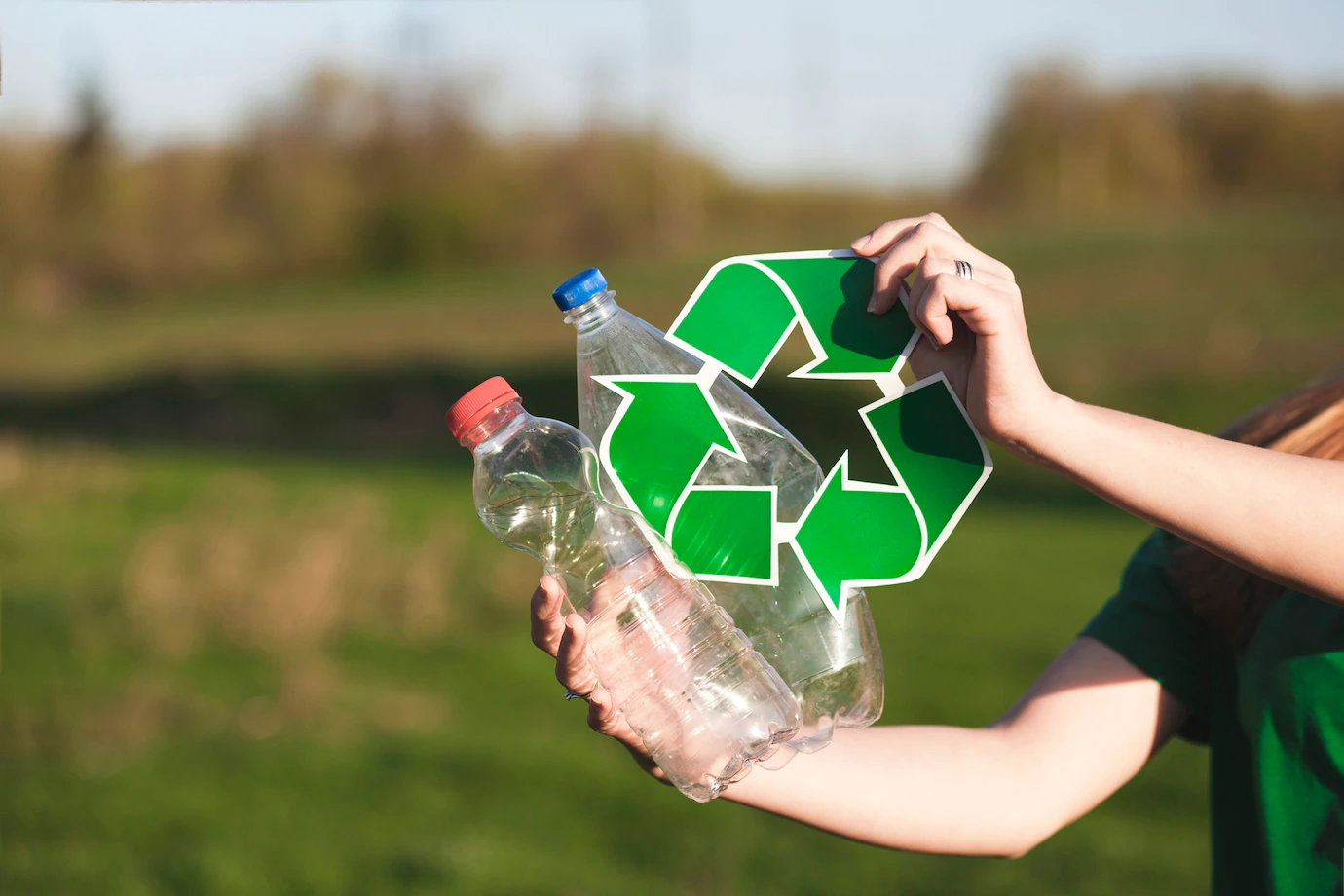
Plastic recycling is the process of collecting, cleaning, and reprocessing used plastic to produce new materials. Instead of allowing plastic waste to end up in landfills or oceans, recycling gives it a new life as useful products such as furniture, clothing fibers, packaging, or industrial materials.
At The Shakti Plastic Industries, the recycling process ensures minimal waste and maximum sustainability — with even non-recyclable plastics being redirected for cement kilns, road construction, or pyrolysis.
The image below illustrates the step-by-step process of plastic recycling:
- Waste Collection: Plastic waste is gathered from various sources like households, societies, kabadiwalas, and municipalities.
- Logistics: The collected waste is transported to the recycling facility.
- Segregation: The plastic is manually sorted based on type and quality to ensure effective recycling.
- Recycling: Sorted plastic is cleaned, shredded, melted, and reprocessed into new materials.
- Reuse: Finally, the recycled plastic is used to manufacture new, sustainable products — completing the circular economy loop.
This streamlined process not only diverts waste from landfills but also promotes a sustainable and resource-efficient recycling ecosystem.
Challenges in Plastic Recycling
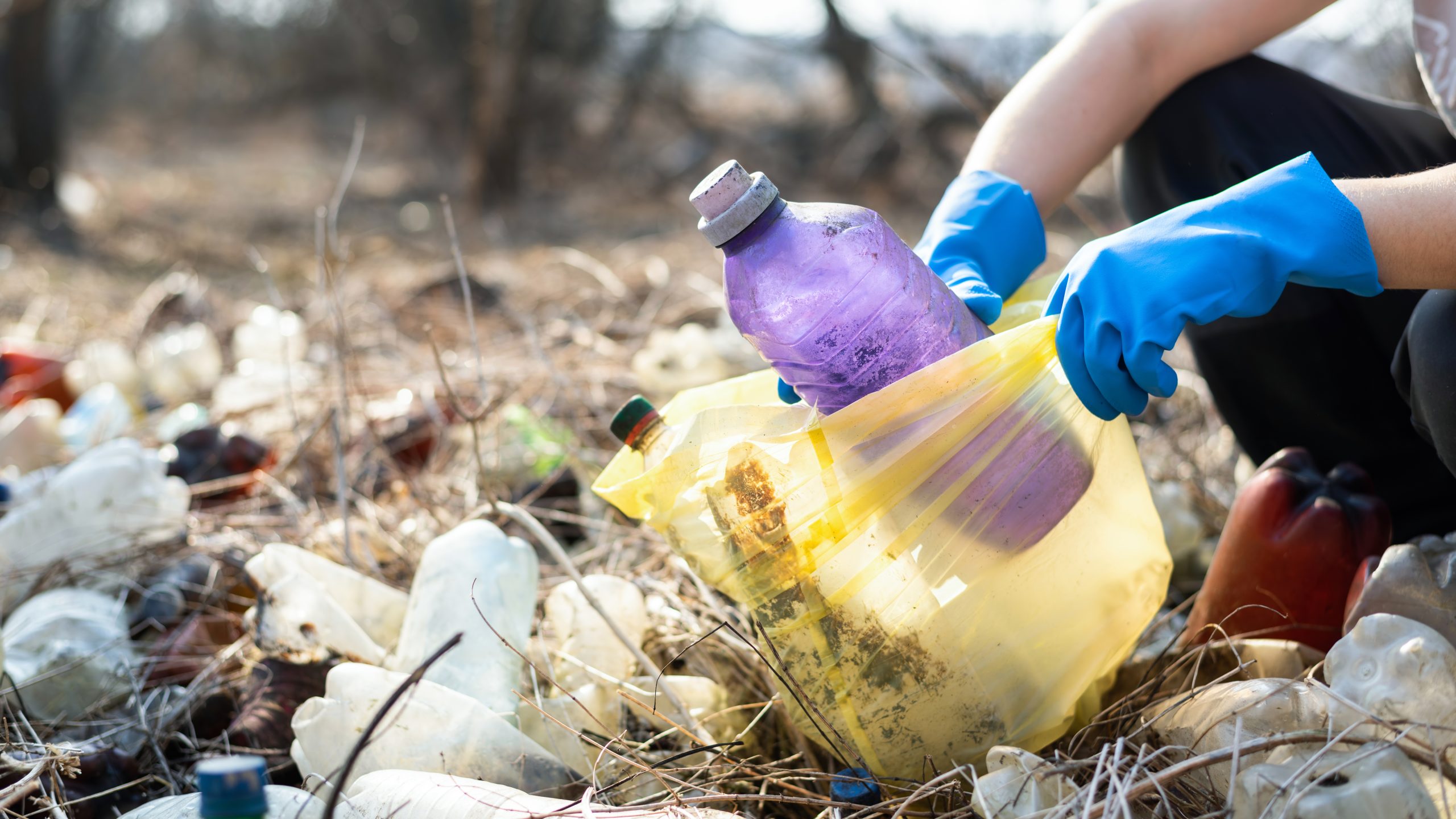
Despite its importance, plastic recycling faces multiple challenges:
- Lack of awareness leads to the mixing of all kinds of waste
- Due to plastic density, it occupies more space and costs double to transport
- Plastic requires manual segregation before recycling. Lack of infrastructure and government policies
- Myths and lack of recycled plastic products acceptance in-market lead to more plastic waste in landfills
According to the Central Pollution Control Board (CPCB), efficient plastic waste management requires source segregation, proper collection, and recycling infrastructure development across all states. These insights highlight the urgent need for stronger awareness campaigns, better collection systems, and improved recycling facilities throughout India.
Stages in Plastic Waste Recycling
The plastic waste recycling process involves several important steps that help turn used plastic into new, useful products. Each stage plays a key role in promoting a sustainable and circular economy.
- Collection: Plastic waste is collected from various collection sources like Rag Pickers, municipalities, Societies, Kabadiwalas, and Awareness Drives.
- Sorting:Collected plastic waste needs to be sorted accordingly so it can be processed further in the shredding machine
- Washing:Sorted plastic waste usually contains dust, adhesive, and more impurities that must be washed away. This is done in the washing line at the recycling facility.
- Shredding:Once segregated and washed now plastic is shredded into smaller pieces by the process of shredding.
- Identification and Classification of Plastic:After shredding, proper testing of the plastic pellets are conducted in order to ascertain their quality and class.
- Extruding:Running on the line next step is extrusion, In this process, shredded plastic waste is melted and extruded, and converted to plastic granules. Also In order to enhance the properties of the material, even some extra filling is added to the material
Through these stages of plastic recycling, waste is transformed into valuable materials — reducing landfill waste and protecting the environment.
Advantages of Plastic Recycling
Plastic recycling offers numerous environmental and economic benefits:
- The huge amount of plastic production:Plastic is used for manufacturing households and goods which are used on a daily basis, there is more plastic in our garbage than any other type of plastic. Recycling puts the same plastic waste in the circular economy.
- Conservation of Energy and Natural Resources:virgin plastic requires resources like chemicals and production energy recycled plastic granules can full fill the demand for plastic granules for plastic products manufacturing and helps conserve energy and natural resources.
- Clears Landfill Space: Plastic waste accumulated makes huge piles of plastic waste on the landfill as the plastic takes ages to decompose fills up landfills which further causes the release of toxic air and pollution leading to diseases.
Plastic recycling not only promotes proper waste management of plastic waste but also helps conserve the environment.
Take the Next Step Toward Sustainable Recycling
Join hands with The Shakti Plastic Industries, India’s leading recycler and EPR compliance partner, to make your business and community more sustainable.
We provide end-to-end plastic waste management, EPR registration, and recycling solutions that help you stay compliant and eco-friendly.
Whatsapp – 86559 41547 – to start your plastic recycling journey today.
Benefits of Plastic Recycling
Benefits of Plastic Recycling
Reducing Plastic Waste
Plastic waste is a significant problem around the world. By recycling plastic, we can reduce the amount of plastic that ends up in landfills, oceans, and other natural habitats.
Conserving Resources
Recycling plastic helps to conserve natural resources such as oil, gas, and water. These resources are used to produce new plastic products, and by recycling plastic, we can reduce the need for new materials.
Saving Energy
Recycling plastic also saves energy. It takes less energy to recycle plastic than it does to produce new plastic from raw materials. This is because recycled plastic has already been processed and can be melted down and reused.
Reducing Carbon Emissions
Plastic recycling can also help reduce greenhouse gas emissions. The production of new plastic products generates a significant amount of carbon emissions. By recycling plastic, we can reduce the demand for new plastic products and, in turn, reduce carbon emissions.
Processes of Recycling & Disposal of Non-Recyclable Plastics
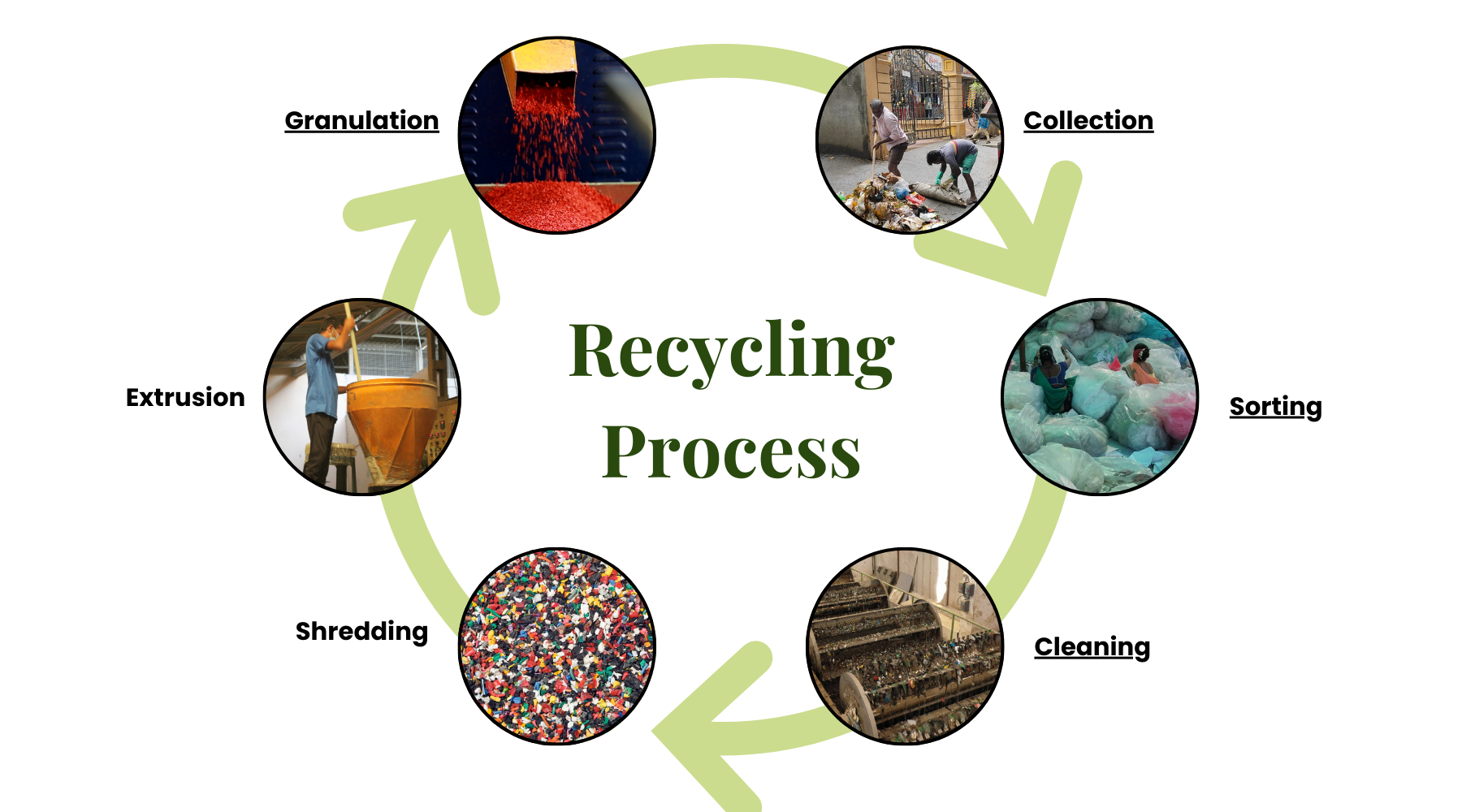 The plastic recycling process follows several stages — from waste collection to the creation of new products. As shown in the image above, plastics go through key steps such as collection, sorting, washing, shredding, melting, and granulation before being transformed into useful materials again.
However, not all types of plastics can be recycled. To ensure zero waste management, non-recyclable plastics are safely processed and reused through the following methods:
1. Cement Kilns
Non-recyclable plastics are used as an alternative fuel in cement kilns. This helps reduce the use of traditional fossil fuels and ensures plastic waste is utilized efficiently.
2. Road Construction
Plastic waste is mixed with bitumen to build durable and weather-resistant roads. This innovative use of plastic helps improve road quality while reducing waste in landfills.
3. Pyrolysis
In this process, plastic waste is heated at high temperatures without oxygen, breaking it down into fuel oil, gas, and carbon residues. These by-products can be reused as energy sources.
By integrating recycling and responsible disposal techniques, The Shakti Plastic Industries ensures that even non-recyclable plastics are converted into valuable resources — supporting a circular and sustainable economy.
Challenges of Plastic Recycling
Despite its benefits, plastic recycling faces several challenges. These challenges include:
Contamination
Contamination is a major issue in plastic recycling. Contaminated plastic is difficult to recycle and can negatively impact the quality of recycled plastic. This is why it is important to properly clean and sort plastic waste before recycling.
Low Market Demand for Recycled Plastic
Another challenge of plastic recycling is the low market demand for recycled plastic. Many companies prefer to use new plastic rather than recycled plastic, which can make it difficult for recycled plastic to compete.
High Costs of Recycling
Recycling plastic can be expensive. This is because it requires specialized equipment and facilities, as well as skilled workers. The cost of recycling can also vary depending on the type of plastic being recycled.
According to the Plastic Waste Management Rules, 2016, updated by the Ministry of Environment, Forest and Climate Change (MoEF&CC), these challenges can be mitigated by strengthening the Extended Producer Responsibility (EPR) framework and ensuring sustainable plastic processing and recycling across India.
Solution: Public education, stronger government policies, and corporate EPR programs — like those implemented by The Shakti Plastic Industries — can help bridge these gaps and promote an efficient circular economy.
Types of Plastic Recycling
Plastic recycling plays a vital role in reducing waste, conserving resources, and building a sustainable circular economy. Depending on the method used, plastics can be recycled mechanically, chemically, or biologically. Each process helps in transforming plastic waste into valuable new materials.
1. Mechanical Recycling
Mechanical recycling is the most widely used method of plastic recycling. It involves collecting, grinding, melting, and remolding plastic waste into new products.
- Example: Used PET bottles are processed and converted into fibers for clothing, carpets, and packaging materials.
This process helps extend the life of plastic materials while reducing landfill waste and energy consumption.
2. Chemical Recycling
Chemical recycling breaks down plastics into their basic chemical components. Through processes like pyrolysis and depolymerization, plastic waste is converted into fuels or chemical feedstock that can be reused to make new plastic products.
- Example: Mixed or contaminated plastics are converted into fuel oil and raw materials for the chemical industry.
This method helps recycle plastics that cannot be handled mechanically.
As featured in Waste Management World, advanced sorting and chemical recycling technologies are revolutionizing how industries process plastic waste efficiently — paving the way for large-scale circular economy systems.
3. Biological Recycling
Biological recycling is an emerging and eco-friendly approach that uses microorganisms or enzymes to degrade plastic naturally. The result is biodegradable or bio-based plastics, which are much safer for the environment.
- Example: Certain bacteria can break down PET plastics, producing reusable and compostable materials.
This method supports green innovation and sustainable waste management.
How to Recycle Plastic
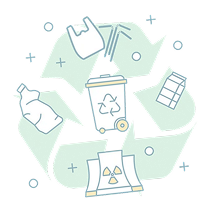 Recycling plastic is one of the easiest and most impactful ways to protect the environment and reduce waste. With a few simple steps, anyone can contribute to a cleaner and more sustainable future.
Step-by-Step Plastic Recycling Process
Sort Your Plastic Waste : Start by separating plastics based on type — for example, bottles, containers, wrappers, or packaging materials. Check the recycling symbols (♳ to ♷) on the products to identify their category.
Clean Before Recycling : Rinse or wash plastic containers to remove food residues, labels, and dirt. Clean plastic ensures higher recycling quality and efficiency.
Use Local Recycling Facilities: Take your sorted plastic waste to a nearby recycling center or use curbside pickup services if available in your area. (External Link: Find a Recycling Center Near You)
Follow Local Recycling Guidelines: Every city or region may have different recycling policies. Always follow your local municipal recycling program for accurate instructions.
Support Recycled Products : Purchase products made from recycled plastic — such as eco-friendly packaging, furniture, or clothing — to close the recycling loop and promote a circular economy.
Organizations like the Recycle India Foundation are actively working toward promoting community recycling initiatives, awareness programs, and plastic waste reduction efforts — empowering individuals and businesses to become part of the circular economy movement.
Innovations in Plastic Recycling
In recent years, there have been several innovations in plastic recycling technology. These innovations include:
- Advanced Sorting Technologies: New technologies are being developed to improve the sorting of plastic waste. These technologies can help reduce contamination and improve the quality of recycled plastic.
- Chemical Recycling: Chemical recycling is a promising technology that can turn plastic waste into new materials with higher value. This technology can convert plastic waste into fuels, chemicals, and even new plastic products.
- Bioplastics: Bioplastics are a type of plastic that is made from renewable resources, such as plants. These plastics are biodegradable and can help reduce plastic waste.
- Recycling Robots: Recycling robots are being developed to automate the sorting and processing of plastic waste. These robots can improve the efficiency and reduce the cost of plastic recycling.
Conclusion
Plastic recycling is not just a solution — it’s a responsibility.
By promoting recycling, we can conserve resources, protect the planet, and create a sustainable future. The Shakti Plastic Industries (About Page link) has been leading India’s recycling revolution for over five decades, recycling 40+ lakh MT of CO₂, empowering 40,000+ rag pickers, and collaborating with 600+ brands nationwide.
Global organizations like the Plastic Pollution Coalition continue to advocate for plastic reduction, global recycling policies, and sustainable alternatives that align with India’s circular economy goals.
Let’s work together to make India a zero-waste, circular economy nation.
FAQs
1. What types of plastic can be recycled?
Most types of plastic can be recycled, including PET, HDPE, PVC, LDPE, PP, PS, and others. Check with your local recycling program to see which types of plastic they accept.
2. What happens to recycled plastic?
Recycled plastic is processed and turned into new materials that can be used to make a variety of products.
3. How can I recycle plastic at home?
Check with your local recycling program to see if they offer curbside recycling. You can also take your plastic waste to a recycling facility.
4. What is the difference between mechanical and chemical recycling?
Mechanical recycling involves grinding and melting down plastic waste to create new plastic products. Chemical recycling involves breaking down plastic into its chemical components to create new materials.
5. How can we increase the demand for recycled plastic?
We can increase the demand for recycled plastic by promoting the use of recycled plastic products and encouraging companies to use recycled plastic in their products.